اتفاقية العريش
 السير سيدني سميث في خيمة الصدر الأعظم يوسف ضياء الدين پاشا الأعمى، بالعريش، 1799. وقد أفضت تلك المفاوضات بين البريطانيين والعثمانيين في جانب والفرنسيين في الجانب الآخر إلى توقيع اتفاقية العريش لإنسحاب الفرنسيين في 24 يناير 1800. | |
| النوع | اتفاقية |
|---|---|
| وُقـِّعت | 24 يناير 1800 |
| المكان | القاهرة، مصر |
| انتهاء الصلاحية | ألغاها اللورد كيث، القائد العام للأسطول البريطاني في البحر المتوسط، إثر توليه المنصب بعد أسابيع من توقيعها. |
| المفاوضون |  الكومودور السير سيدني سميث الكومودور السير سيدني سميث يوسف ضياء الدين پاشا الأعمى يوسف ضياء الدين پاشا الأعمى |
| الموقعون | عن الصدر الأعظم: مصطفي رشيد أفندي الدفتردار مصطفي راسخ أفندي رئيس الكـُتاب ،  عن القائد العام للجيش الفرنسي كل من: عن القائد العام للجيش الفرنسي كل من:الجنرال ديزيه المسيو ماتيو پوسييلگ ولم يوقع عليها أحد من الحكومة الإنجليزية. |
| الأطراف | فرنسا و الدولة العثمانية |
| اللغة | الفرنسية والتركية |
اتفاقية العريش (24 يناير 1800) بين فرنسا والدولة العثمانية، بعد حصارٍ دام 11 يوماً. هذه المعاهدة سعت لإنهاء سيطرة بريطانيا على طرق التجارة في شرق البحر المتوسط. وفيها تعترف الدولة العثمانية بسلطة فرنسا على مصر. المعاهدة دفعت روسيا لإرسال المزيد من سفنها الحربية إلى شرق البحر المتوسط.
خلفية
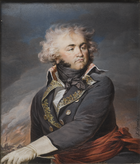
ترك نابليون بونابرت مصر والأخطار تهدد الحملة الفرنسية من كل جانب. فالجيش في تناقص عددي بسبب المعارك والحروب الداخلية والخارجية، والدولة العثمانية أرسلت حملة أخري إلي العريش ودمياط، والمماليك عادوا للمقاومة مرة أخري، وتجددت ثورة المصريين في الشرقية وامتدت إلي وسط الدلتا وغربها.[1]
كان الجيش الفرنسي حبيساً في مصر يحاصره البريطانيون والأتراك (العثمانيون) وقد اقترب وقت استسلامه أو تدميره.
لقد كان الجنرال كليبر قائداً شجاعاً وذكياً، لكنه كان دبلوماسياً غير ناجح، ذلك أنه عندما لم يتوقع وصول نجدة شارك رجاله القنوط والجزع. فقرر عرض أمر الصلح علي الصدر الأعظم للدولة العثمانية وقائد الأسطول الإنجليزي في البحر المتوسط سيدني سميث. وأصدر أوامره للجنرال ديزيه Desix بتوقيع اتفاق في العريش مع الترك (العثمانيين) والقائد الإنجليزي المحلي يقضي بمغادرة القوات الفرنسية أراضي مصر بسلام بأسلحتهم وأمتعتهم محتفظين بشرفهم العسكري على سفن تركية تنقلهم لفرنسا، وعلي نفقة الدولة العثمانية.
وبعد مفاوضات بين الجانبين الفرنسي والعثماني تم التوقيع علي معاهدة العريش في 24 يناير 1800 وقعها عن الجانب العثماني مصطفي رشيد أفندي الدفتردار، ومصطفي راسخ أفندي رئيس الكتاب نيابة عن الصدر الأعظم، وعن القائد العام للجيش الفرنسي كل من الجنرال ديزيه والمسيو ماتيو پوسييلگ Mathieu Poussielgue ، ولم يوقع عليها أحد من الحكومة الإنجليزية.
وبدأ الفرنسيون (في مصر) يسلمون للترك (العثمانيين) الحصون التي كان يحتمي بها الأوروبيون (المقصود هنا: الفرنسيون) من هجمات المصريين. وبعدما تم التسليم وصلت تعليمات من الحكومة البريطانية برفض شروط الإخلاء (وفقاً لاتفاق العريش الآنف ذكره) مصرَّة على أن يُلقي الفرنسيون (في مصر) أسلحتهم ويسلموا أنفسهم كأسرى حرب.
فرفض كليبر وقرر إلغاء المعاهدة، وأرسل إلي الصدر الأعظم ليسحب جيشه الذي أرسله إلي مصر لاسترجاعها وفقاً للمعاهدة. وطالب بإعادة الحصون التي كان قد سلمها. ولكن يوسف باشا قائد الجيش العثماني رفض الانسحاب إلي الشام وعسكر في المطرية.
فتقدم العثمانيون نحو القاهرة، فقاد كليبر رجاله البالغ عددهم عشرة آلاف ليواجه القوات التركية البالغ عددها عشرين ألف مقاتل قوي في سهول هليوبولس (عين شمس) ورفع من الروح المعنوية لرجاله بخطاب بسيط: "إنكم لا تملكون من مصر سوى الأرض التي تحت أقدامكم، فإن تراجعتم خطوة واحدة، ضاع كل شيء".
وبعد معركة استمرت يومين (20-21 مارس 1800) استسلمت الشجاعة التركية (العثمانية) أمام التكتيكات الفرنسية المنظمة. وانسحبت القوات العثمانية إلي الشام مرة أخري. وعاد من بقي من الفرنسيين المنتصرين إلى القاهرة لينتظروا مرة أخرى المدد من فرنسا.
ولم يستطع نابليون أن يُرسل لهم غوثاً لأن بريطانيا كانت تتحكم في البحر المتوسط.
المعاهدة
.jpg&filetimestamp=20260113044905&)
Kléber made contact with the commander of local British naval forces, Commodore Sidney Smith, with regards to entering peace negotiations. It has since been disputed by historians as to whether either man had the necessary authority to carry out the negotiations and to agree any compromises, but with their governments being two months travel away it seems that a pragmatic approach was taken and negotiations began via letter. Kléber stated that any peace would be contingent on his men being allowed to leave Egypt on board Ottoman ships with all their baggage and weapons. He demanded safe passage from attack by Ottoman forces, a dissolution of the alliance of the Ottoman Empire with Britain and Russia and for the Ottoman Empire to pay the costs of feeding and lodging French forces until they could be evacuated. Kléber also wanted an immediate halt to all offensive action and movement of Ottoman forces, an action that Yusuf refused to agree to.[2]
The 250-strong French garrison at El Arish mutinied and opened the town to occupation by Ottoman forces. The Ottomans began a massacre of the French troops until halted by their British liaison officer. Shortly afterwards Smith, Yusuf and two of Kléber's officers met in the town to open negotiations. Yusuf stated that he would provide safe passage and transport back to France but was not willing to meet the remaining requests. Kléber then dropped his requirement for a halt to the movement of Ottoman forces and conceded that the alliance between the Ottomans and Russia and Britain could remain in place until a formal peace treaty could be agreed. Kléber insisted that the Ottoman Empire needed to pay for the upkeep and provisions of the French troops until the evacuation could be agreed. Yusuf agreed to the revised terms and signed the convention on 24 January 1800.[2] Smith did not sign the document.[3]
الأعقاب والرفض
Kléber personally ratified a copy of the convention on 26 January and copies signed by Yusef and Kléber were formally exchanged on 30 January. French garrisons were withdrawn to Alexandria, Aboukir and Rosetta to await transport.[2] However Smith's commander Lord Keith had received orders from London, dated 15 December 1799, that he was not to allow any separate treaties to be agreed between the Ottomans and France nor "to consent to any capitulation with the French troops at least unless they lay down their arms, surrender themselves prisoners of war, and deliver up all the ships and stores of the port of Alexandria to the Allied Powers".[3][4] He was further ordered to intercept any ships carrying out an evacuation of French troops from Egypt.[2] Keith sent a letter conveying this information to Smith from his headquarters at Minorca on 8 January but this did not reach him until after the convention was signed.[4]
Smith communicated that the convention, as it was agreed only between the Ottomans and France, was invalid in a letter of 21 February but stated that he was hopeful that the British government would reconsider upon reading the details of the convention.[4] Keith, when he heard the details was supportive of the convention but also sent a letter to Kléber with details of his orders that demanded nothing less than an unconditional surrender.[3][2] This letter reached Kléber at Cairo on 18 March, by which time Yusef had moved an army of 40,000 men to nearby Heliopolis.[2] Kléber was outraged and led his troops against Yusuf. He inflicted a heavy defeat upon the Ottoman forces in the 20 March Battle of Heliopolis.[2]
Kléber was assassinated in Cairo on 14 June by Suleiman al-Halabi, a Syrian student supportive of the Ottoman cause.[4] Kléber's successor was General Jacques-François Menou. In the meantime the British government, led by William Pitt the Younger, had received a copy of the convention and agreed to its acceptance. However a British envoy, Lieutenant Wright of إتشإمإس Tigre, did not reach the French troops until 22 August at which point he was refused admission to Alexandria - General Menou being optimistic of French fortunes in a renewed campaign. Wright endeavoured to communicate the acceptance to the French rank and file and induce them to revolt against their generals who refused to allow them to go home, but was turned away. Upon hearing of this rejection the British government decided upon a fresh offensive to evict the French from Egypt. This was successfully carried out resulting in the surrender of French forces at Alexandria in August 1801 and the subsequent repatriation of French troops on British ships.[4]
المناقشات في البرلمان البريطاني
The British government's actions in regards the convention were criticised in the House of Commons by MP Thomas Tyrwhitt Jones. He put forward a motion on 2 June 1801 to discover who had initially ordered that no treaty was to be agreed to. Jones praised Smith's actions and stated that the requirement of keeping British troops tied up in Egypt to fight the French may have caused the loss of Hanover to the forces of the Second League of Armed Neutrality in April 1801; the loss of Portugal to Franco-Spanish forces during the War of the Oranges in June 1801; and severely weakened the defences of the British Isles. Jones' opponents said that he had unsuccessfully raised the issue on no fewer than 12 occasions and his latest motion was defeated by 138 votes to 22.[5]
المصادر
- ^ معاهدة العريش 1801، تاريخ مصر
- ^ أ ب ت ث ج ح خ خطأ استشهاد: وسم
<ref>غير صحيح؛ لا نص تم توفيره للمراجع المسماةbarnes - ^ أ ب ت Mahan, Alfred Thayer (2011). The Life of Nelson: The Embodiment of the Sea Power of Great Britain (in الإنجليزية). Cambridge University Press. pp. 19–22. ISBN 9781108026055. Retrieved 21 October 2018.
- ^ أ ب ت ث ج Alison, Archibald (1841). History of Europe: From the Commencement of the French Revolution in M.DCC.LXXXIX to the Restoration of the Bourbons in M.DCCC.XV (in الإنجليزية). Baudry's European library. p. 272. Retrieved 21 October 2018.
- ^ Woodfall, William (1801). An Impartial Report of the Debates that Occur in the Two Houses of Parliament (in الإنجليزية). London: John Stockdale & John Walker. pp. 470–9. Retrieved 21 October 2018.

.jpg&filetimestamp=20260113044905)