سلطنة لڠكت
| ||||||||||||||||||||||||||||||||||||||||||||||
| ||||||||||||||||||||||||||||||||||||||||||||||


سلطنة لڠكت/لانغكات (ملايو: كسلطانن لڠكت) was a Muslim state located in modern Langkat Regency, North Sumatra. It predates Islam in the region, but no historical records before the 17th century survive.[citation needed] It prospered with the opening of rubber plantations and the discovery of oil in Pangkalan Brandan.
التاريخ المبكر
In approximately 1568, a military commander from the Kingdom of Aru set up a kingdom which was the forerunner of the modern Langkat Sultanate. However, the first sultan was Sri Paduka Tuanku Sultan al-Haj Musa al-Khalid al-Mahadiah Mu’azzam Shah, known as Sultan Musa, who was awarded the title of sultan in 1887 by the Dutch monarch, as were the rulers of Deli, Serdang and Asahan as a token of gratitude for their services to the Dutch East Indies. The Dutch colonial authorities were able to use the Malay sultans to indirectly control eastern Sumatra. These sultans signed political contracts with the Dutch, and as part of their nominal authority over land use, personally received royalties for each land concession they granted allowing foreign interests to control tobacco estates. They also were granted control over their Malay subjects and guaranteed security of their sultanates.
التعاون مع السلطات الاستعمارية الهولندية
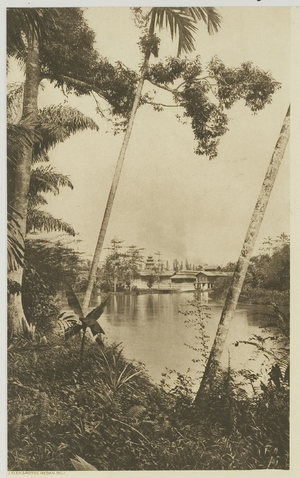
The cooperative relationship with the Dutch made all the sultans enormously wealthy.[1] As well as tobacco, contracts were also signed for oil exploitation, and by 1915, 37.9 percent of the income of the Langkat Sultanate passed directly to Sultan Abdul Aziz Abdul Jalil Rahmad Shah, the son of Sultan Musa, who had inherited the throne in 1893. Abdul Aziz also built the huge Azizi Mosque in Tanjung Pura, seat of the sultanate, and established a religious education centre.[2][3]
Abdul Aziz was in turn succeeded by his son, Sultan Mahmud Abdul Jalil Rahmad Shah, whose wealth grew in parallel with the income from various concessions and royalties, particularly following the discovery of oil in Pangkalan Brandan. He became the richest of the Sumatra Malay sultans, and by 1933 owned 13 limousines, racehorses and a boat that he never used. The ethnic Malay subjects of the sultan - 18.57 percent of the population in 1930, each received 4 hectares - later reduced to 2.8 hectares - for farming.[2][4] Despite this huge income, by the end of 1934 the extravagant lifestyle of Sultan Mahmud had resulted in his accumulating a huge debt. As a result, the Dutch took control of the finances of the East Sumatran sultans, arranging loans to pay off the debts, and leaving the sultans with monthly allowances.[5] The cooperation with the Dutch extended to political activities, including the banning of the popular nationalist Partindo party in 1933 and the recall in 1935 of the sultan's nephew Amir Hamzah from his studies in Batavia because he had become too involved in the Indonesian independence movement. Amir Hamzah subsequently married the sultan's daughter, Kamailia.[6][7]
نهاية السلطنة
The sultanate fell as a result of the social revolution of March 1946, a movement against what were seen as feudal and pro-Dutch aristocracies. The Sultanate of Langkat was declared abolished on 5 March.[8] On 9 March, the palace was seized, seven aristocrats were killed and the sultan was handed over the republican authorities. He was released in July 1947 by Dutch forces who had launched a military offensive against the Republic of Indonesia. Mahmud Abdul died in April 1948[9][10][11]
قائمة السلاطين
- 1568-1580: Panglima Dewa Shahdan
- 1580-1612: Panglima Dewa Sakti
- 1612-1673: Raja Kahar bin Panglima Dewa Sakdi
- 1673-1750: Bendahara Raja Badiuzzaman bin Raja Kahar
- 1750-1818: Raja Kejuruan Hitam (Tuah Hitam) bin Bendahara Raja Badiuzzaman
- 1818-1840: Raja Ahmad bin Raja Indra Bungsu
- 1840-1893: Tuanku Sultan Haji Musa al-Khalid al-Mahadiah Muazzam Shah (Tengku Ngah) bin Raja Ahmad
- 1893-1927: توانكو السلطان عبد العزيز عبد الجليل رحمة شاه، ابن السلطان حاجي موسى
- 1927-1948: توانكو السلطان محمود عبد الجليل رحمة شاه، ابن السلطان عبد العزيز
- 1948-1990: Tengku Atha'ar bin Sultan Mahmud Abdul Jalil Rahmad Shah
- 1990-1999: Tengku Mustafa Kamal Pasha bin Sultan Mahmud Abdul Jalil Rahmad Shah
- 1999-2001: Tengku Dr Herman Shah bin Tengku Kamil, grandson of Sultan Abdul Aziz Abdul Jalil Rahmad Shah
- 2001-2003: Tuanku Sultan Iskandar Hilali Abdul Jalil Rahmad Shah al-Haj bin Tengku Murad Aziz, grandson of Sultan Abdul Aziz Abdul Jalil Rahmad Shah
- 2003-Now: Tuanku Sultan Azwar Abdul Jalil Rahmad Shah al-Haj bin Tengku Maimun, grandson of Sultan Abdul Aziz Abdul Jalil Rahmad Shah
شجرة العائلة
| شجرة عائلة سلاطين لڠكت | |||||||||||||||||||||||||||||||||||||||||||||||||||||||||||||||||||||||||||||||||||||||||||||||||||||||||||||||||||||||||||||||||||||||||||||||||||||||||||||||||||||||||||||||||||||||||||||||||||||||||||||||||||||||||||||||||||||||||||||||||||||||||||||||||||||||||||||||||||||||||||||||||||||||||||||||||||||||||||||||||||||||||||||||||||||||||||||||||||||||||||||||||||||||||||||||||||||||||||||||||||||||||||||||||||||||||||||||||||||||||||||||||||||||||||||||||||||||||||||||||||||||||||||||||||||||||||||||||||||||||||||||||||||||||||||||||||||||||||||||||||||||||||||||||||||||||||||||||||||||||||||||||||||||||||||||||||||||||||||||||||||||||||||||||||||||||||||||||||||||||||||||||||||||||||||||||||||||||||||||||||||||||||||||||||||||||||||||||||||||||||||||||||||||||||||||||||
|---|---|---|---|---|---|---|---|---|---|---|---|---|---|---|---|---|---|---|---|---|---|---|---|---|---|---|---|---|---|---|---|---|---|---|---|---|---|---|---|---|---|---|---|---|---|---|---|---|---|---|---|---|---|---|---|---|---|---|---|---|---|---|---|---|---|---|---|---|---|---|---|---|---|---|---|---|---|---|---|---|---|---|---|---|---|---|---|---|---|---|---|---|---|---|---|---|---|---|---|---|---|---|---|---|---|---|---|---|---|---|---|---|---|---|---|---|---|---|---|---|---|---|---|---|---|---|---|---|---|---|---|---|---|---|---|---|---|---|---|---|---|---|---|---|---|---|---|---|---|---|---|---|---|---|---|---|---|---|---|---|---|---|---|---|---|---|---|---|---|---|---|---|---|---|---|---|---|---|---|---|---|---|---|---|---|---|---|---|---|---|---|---|---|---|---|---|---|---|---|---|---|---|---|---|---|---|---|---|---|---|---|---|---|---|---|---|---|---|---|---|---|---|---|---|---|---|---|---|---|---|---|---|---|---|---|---|---|---|---|---|---|---|---|---|---|---|---|---|---|---|---|---|---|---|---|---|---|---|---|---|---|---|---|---|---|---|---|---|---|---|---|---|---|---|---|---|---|---|---|---|---|---|---|---|---|---|---|---|---|---|---|---|---|---|---|---|---|---|---|---|---|---|---|---|---|---|---|---|---|---|---|---|---|---|---|---|---|---|---|---|---|---|---|---|---|---|---|---|---|---|---|---|---|---|---|---|---|---|---|---|---|---|---|---|---|---|---|---|---|---|---|---|---|---|---|---|---|---|---|---|---|---|---|---|---|---|---|---|---|---|---|---|---|---|---|---|---|---|---|---|---|---|---|---|---|---|---|---|---|---|---|---|---|---|---|---|---|---|---|---|---|---|---|---|---|---|---|---|---|---|---|---|---|---|---|---|---|---|---|---|---|---|---|---|---|---|---|---|---|---|---|---|---|---|---|---|---|---|---|---|---|---|---|---|---|---|---|---|---|---|---|---|---|---|---|---|---|---|---|---|---|---|---|---|---|---|---|---|---|---|---|---|---|---|---|---|---|---|---|---|---|---|---|---|---|---|---|---|---|---|---|---|---|---|---|---|---|---|---|---|---|---|---|---|---|---|---|---|---|---|---|---|---|---|---|---|---|---|---|---|---|---|---|---|---|---|---|---|---|---|---|---|---|---|---|---|---|---|---|---|---|---|---|---|---|---|---|---|---|---|---|---|---|---|---|---|---|---|---|---|---|---|---|---|---|---|---|---|---|---|---|---|---|---|---|---|---|---|---|---|---|---|---|---|---|---|---|---|---|---|---|---|---|---|---|---|---|---|---|---|---|---|---|---|---|---|---|---|---|---|---|---|---|---|---|---|---|---|---|---|---|---|---|---|---|---|---|---|---|---|---|---|---|---|---|---|---|---|---|---|---|---|---|---|---|---|---|---|---|---|---|---|---|---|---|---|---|---|---|---|---|---|---|---|---|---|---|---|---|---|---|---|---|---|---|---|---|---|---|---|---|---|---|---|---|---|---|---|---|---|---|---|---|---|---|---|---|---|---|---|---|---|---|---|---|---|---|---|---|---|---|---|---|---|---|---|---|---|---|---|---|---|---|---|---|---|---|---|---|---|---|---|---|---|---|---|---|---|---|---|---|---|---|---|---|---|---|---|---|---|---|---|---|---|---|---|---|---|---|---|---|---|---|---|---|---|---|---|---|---|---|---|---|---|---|---|---|---|---|---|---|---|---|---|---|---|---|
| |||||||||||||||||||||||||||||||||||||||||||||||||||||||||||||||||||||||||||||||||||||||||||||||||||||||||||||||||||||||||||||||||||||||||||||||||||||||||||||||||||||||||||||||||||||||||||||||||||||||||||||||||||||||||||||||||||||||||||||||||||||||||||||||||||||||||||||||||||||||||||||||||||||||||||||||||||||||||||||||||||||||||||||||||||||||||||||||||||||||||||||||||||||||||||||||||||||||||||||||||||||||||||||||||||||||||||||||||||||||||||||||||||||||||||||||||||||||||||||||||||||||||||||||||||||||||||||||||||||||||||||||||||||||||||||||||||||||||||||||||||||||||||||||||||||||||||||||||||||||||||||||||||||||||||||||||||||||||||||||||||||||||||||||||||||||||||||||||||||||||||||||||||||||||||||||||||||||||||||||||||||||||||||||||||||||||||||||||||||||||||||||||||||||||||||||||||
انظر أيضاً

معرض صور
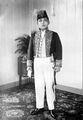
Sultan Mahmud Abdul Jalil Rahmad Shah (ruled from 1927 to 1946)
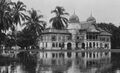
The Darul Aman Palace of the Langkat Sultanate, Tanjung Pura during a flood
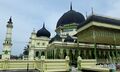
The Azizi Mosque, Tanjung Pura, Indonesia built by Sultan Abdul Aziz


الهامش
- ^ Reid 2014, p. 3.
- ^ أ ب Reid 2014, p. 46.
- ^ Bagja Hidayat 2017, pp. 100-103.
- ^ Bagja Hidayat 2017, p. 103.
- ^ Reid 2014, pp. 51-52.
- ^ Reid 2014, pp. 61-62.
- ^ Bagja Hidayat 2017, p. 110.
- ^ Reid 2014, p. 235.
- ^ Reid 2014, p. 239.
- ^ Langenberg 1982, p. 7.
- ^ Bagja Hidayat 2017, p. 100.
المراجع
- Bagja Hidayat, ed. (20 August 2017), "Edisi Khusus Amir Hamzah", Tempo (Indonesia) (Jakarta): 54–131, ISSN 0126-4273
- Langenberg, Michael. van. (April 1982). "Class and Ethnic Conflict in Indonesian's Decolonization Process: A Study of East Sumatra" (PDF). Indonesia. Cornell University: Indonesia Southeast Asia Program Publications. 33 (33): 1–30.
- Reid, Anthony (2014). The Blood of the People: Revolution & the End of Traditional Rule in Northern Sumatra. Singapore: NUS Press. ISBN 978-9971-69-637-5.
- Said, H. Mohammed (April 1973). "What was the Social Revolution of 1946 in East Sumatra" (PDF). Indonesia. Cornell University: Indonesia Southeast Asia Program Publications. 15 (15): 145–186.
- Pages using gadget WikiMiniAtlas
- Short description is different from Wikidata
- Articles containing إندونيسية-language text
- Articles containing ملايو (لغة كبرى)-language text
- Articles with unsourced statements from February 2024
- Coordinates on Wikidata
- دول قبل الاستعمار في إندونيسيا
- تاريخ سومطرة
- سلطنات سابقة
- بلدان سابقة في جنوب شرق آسيا
- Islamic states in Indonesia